
Blog
The Uncomfortable Tension: The Truth About Peer Work
4 mins
Reading Time
The Uncomfortable Tension: The Truth About Peer Work
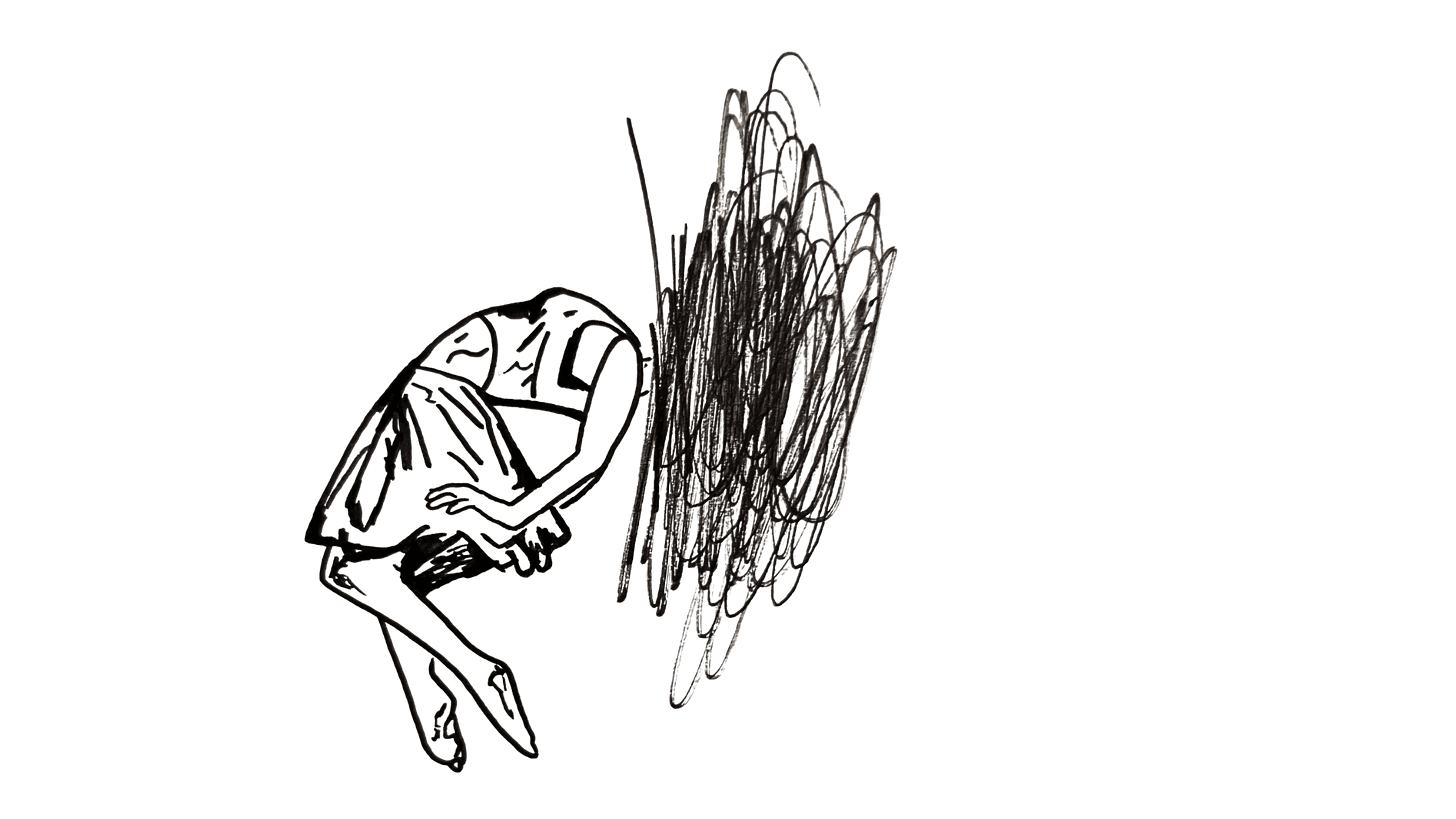
There’s a tension at the heart of peer work that doesn’t get talked about enough.
We build these spaces on the foundational belief that people are equal (because they should be). We build from principles of mutuality and power flattening. We recognise that lived experience carries weight, that hierarchy has harmed people for too long, and that something different is possible. And yet, the moment we try to do the work, we run headfirst into a contradiction: how do you flatten power in a space that still needs structure? How do you create equity inside systems that were never designed to be equitable in the first place?

This is what I call the power paradox.
Being “level” and “walking alongside” doesn’t mean “without structure.” It doesn’t mean without guidance, without accountability, without expectation. In fact, some of the most harmful dynamics (in which peer work can quite easily be perceived as unprofessional) come precisely from the avoidance of those things from a fear that having any structure at all means replicating the oppressive systems we’re trying to move away from.
Inspired by the words of Rafi Armanto in our recent chat, we know we shouldn’t replicate the power structures that have caused people harm.... And we also know that without some form of routine, predictability, and shared understanding, meaningful work can’t happen.
In leading Integrity Initiative, that is something I have witnessed first-hand. People can’t function in chaos, and peer workers are people too.
So how do we hold that tension? And perhaps more importantly, how do we communicate it honestly to people entering these spaces?
When someone steps into a peer work role, they bring something irreplaceable: their own story, their own experience of navigating systems that weren’t built for them. That is the foundation of the work and something that cannot be undersold. It is also not enough on its own.
To be seen as professionals, we must also carry responsibility.

Peer workers have a responsibility to go and do the research, to sit with the discomfort, to learn and unlearn and keep showing up even when it’s hard. Especially when it’s hard.
And it is hard. That is something that is not often spoken about without wrapping it in a bow or sprinkling it with glitter. This work is difficult. It is uncomfortable. At almost every stage, there will be an easier path available. Every day I wonder if I should give it all up for work that demands less, takes less of a toll, offers a clearer return on emotional investment. That option will always exist, and there’s no shame in noticing it or taking it.
You do not owe the system that has harmed you the solution to itself.
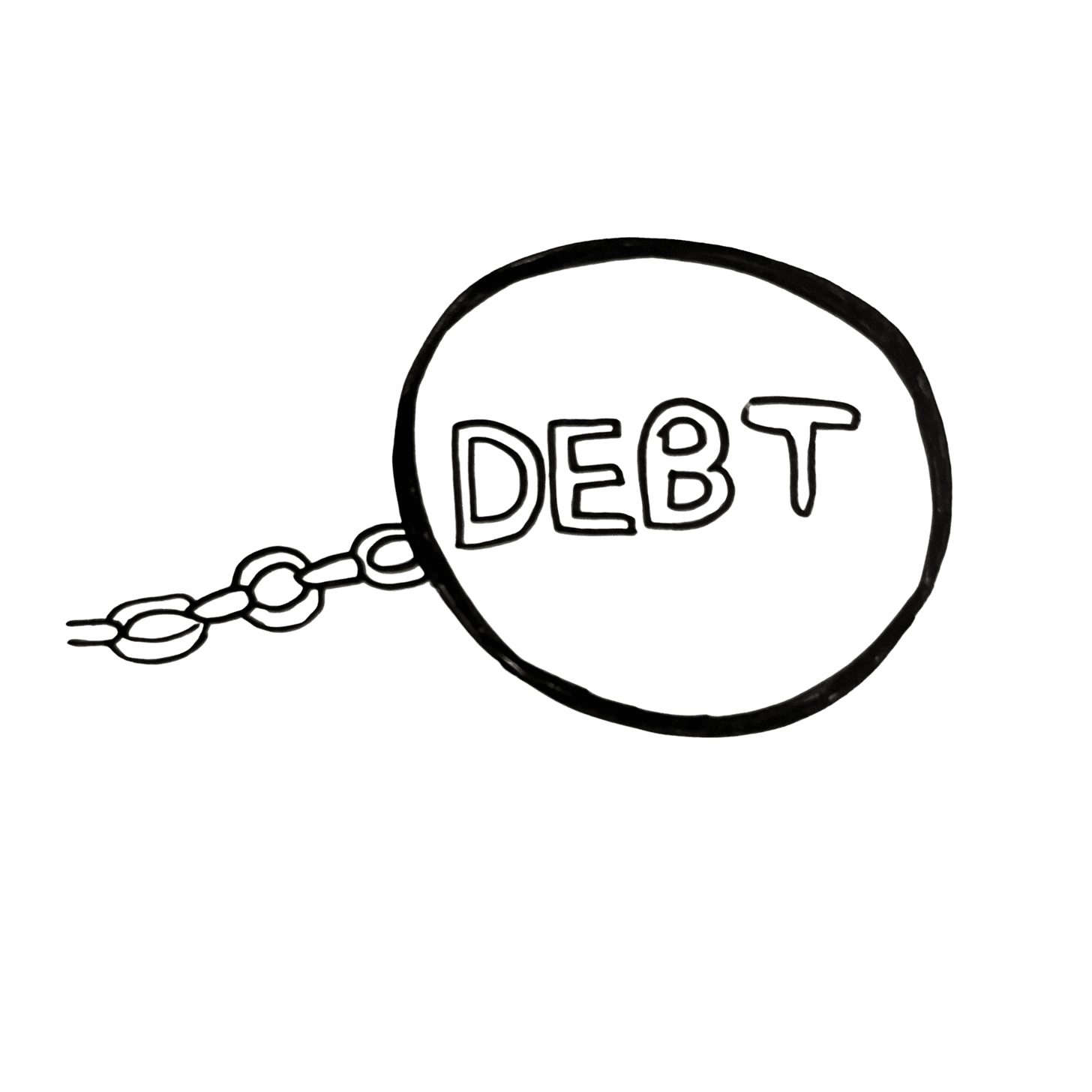
But if we are consciously in this space, we’ve chosen something different. And that choice comes with responsibility on both sides.
We ask an enormous amount of people in peer work roles, yet the rewards can feel very small.
One of the places I see this tension most clearly is in governance. In fact, it is quite literally a duty of directorship.
Some roles offer more personal benefit. Others are primarily oriented toward collective gain. Neither is wrong, but we need to be honest about which is which. We need to understand our own role clearly, and we need to make sure that our understanding matches the expectations of the people around us. Misalignment here is one of the most common places I see peer work break down.
The way to navigate this is through accessible, transparent communication. Not accessibility as a tickbox or stamp of approval, but as a commitment to doing better.
We don’t need the perfect framework or the beautifully produced onboarding document. We need honesty. We need people to be able to say: this is what we’re asking of you, this is what you can expect from us, and this is genuinely difficult work that you may want to walk away from more than once.
It’s also acting on that to practically, tangibly make the discomfort less unbearable . Structures should prioritise this and supporting through moments of grief and hopelessness, not avoiding them entirely.
That kind of transparency isn’t pessimism. It’s respect. It’s INTEGRITY.
When everything feels too complicated, I keep coming back to values. Not values printed on a laminated poster or buried in the annual staff wellbeing survey, but values as a living practice.
Part of that is the acknowledgement that these values along do not solve the power paradox, and that power paradox will always exist. No amount of kindness or courage or respect or acceptance or diversity will make peer work simple. But it gives us a way to keep checking whether what we’re doing is actually aligned with why we started.
How do we hold these tensions? How do we shift from overcoming to navigating?
Join the Ingetrity Army
Be apart of our growing team

