
Blog
The Right To Burn Out
5 mins
Reading Time

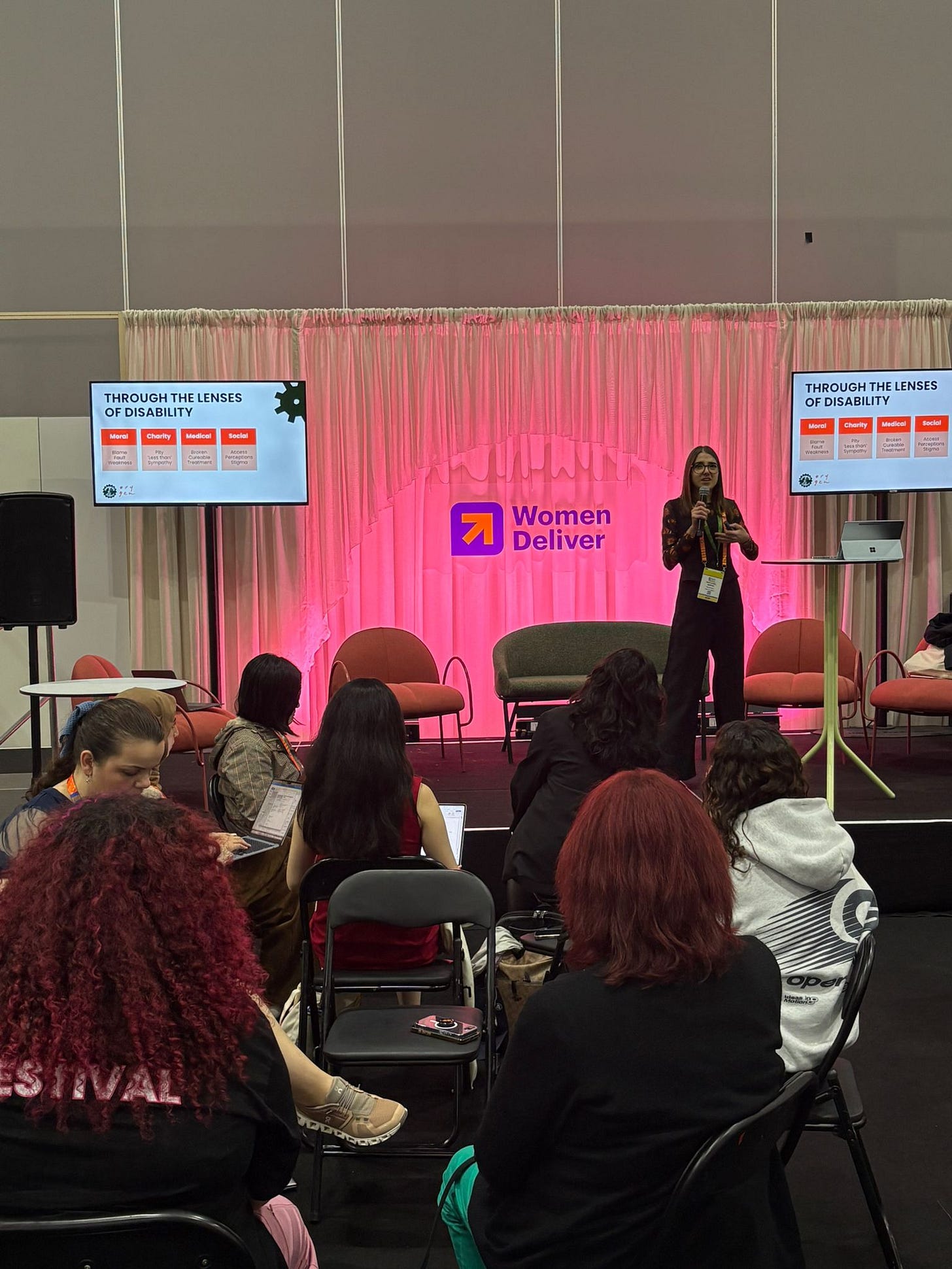
This reflection builds on a workshop I recently facilitated at Women Deliver in Melbourne, where I collaborated with Ahmad from Orygen to bring a new integrity initiative workshop (based on what we delivered) to life. The workshop explored burnout (in a way you might not have thought of before), advocacy, and the way concern can sometimes cross a line into paternalism, risk management and control.
Alright. I’ve bitten my tongue for long enough. I’m fed up with your concern for my burnout.
But before I explain further, I want you all to understand that burnout is not just an individual experience. It is shaped by systems, expectations, and power.
I have shared before that one of the most common responses I receive when I talk about my work is also one of the reasons I sometimes hesitate to speak about it at all. The response is almost always the same: “I just don’t want to see you burn out.”
I know it comes from a place of care. But honestly, I am tired of hearing it.
I have burned out before. Hard. Fear for my wellbeing and life kind of hard. But that wouldn’t have happened had I not feared burnout and kept it to myself for so long. I wouldn’t have internalised it and tried to push through it for so long had people not been repeatedly telling me how doomed I was if I were to burn out (by the way, also not a comforting thing to say to someone who is already burning out).
So yes, I’ve burned out. AND in all likelihood I will again… but it doesn’t have to be a catastrophic narrative. In fact, it doesn’t even have to be something that we fear at all.
Like all things, burnout can be understood when and ONLY when we move away from fear and avoidance and instead learn how to walk that path. That requires trusting our own boundaries, our capacity to bounce back when we push a little too hard, and the audacity to try things even when others don’t approve or when there is a degree of risk involved.
Life is messy and imperfect. It’s too much for all of us at times, especially for those of us who sometimes fight for social justice at the expense of our own well-being. That is not a flaw. It is the nature of being human. When we treat burnout as something to avoid at all costs, we do not prevent it. We make it harder to talk about. Fear limits our ability to recognise early signs, reflect without judgment, and learn from what is happening.
Burnout is not failure. It is often a signal. A redirection.
What we explored at Women Deliver is how this narrative is not applied equally. Folks who identify as anything other than a man are disproportionately met with questions about their capacity, their sustainability, and their well-being in ways that subtly undermine their authority. The focus shifts from the work to whether they can handle the work.
I have experienced this first-hand.
I’ve presented to large audiences, spent the better part of an hour outlining a detailed, strategic plan for how I would achieve the goals of Integrity Initiative, only to be questioned not about what support I needed or why the work mattered, but rather with concern about my capability and repeated warnings about burnout.
That moment has stayed with me. Not because it was unique, but because it was so familiar. The underlying message was clear: slow down, be careful, do not take on too much. But what if the issue was never my capacity? What if the issue was the lens through which my work was being viewed?
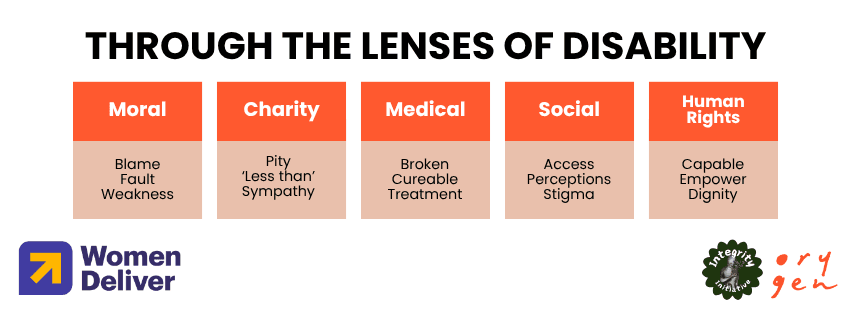
This is where the evolution of disability models offers a powerful parallel. Earlier models framed struggle as a personal deficit, something to be fixed or managed. Human rights approaches, in contrast, recognise that many challenges arise from systems and environments rather than individuals.
When we apply this thinking to burnout, the narrative shifts. The constant warning to “not burn out” can reflect a subtle form of paternalism. It places responsibility on individuals while ignoring the structural and cultural factors that contribute to burnout in the first place.
More importantly, it does not give people what they actually need. Support in advocacy is not about cautionary statements. It is about practical, relational partnership, collaboration, connection and stepping up.
If you want to ACTUALLY help someone avoid burnout, don’t warn them of how devastating it will be if they do, ask them where you can chip in. Spend that energy actually contributing to change as opposed to inadvertently adding to the mental load with another source of stress. Ask them:
What can I take off your plate right now?
What are you dreading most?
What actually needs to be done today, and what can wait?
How can I help free up some time for something YOU want to do?
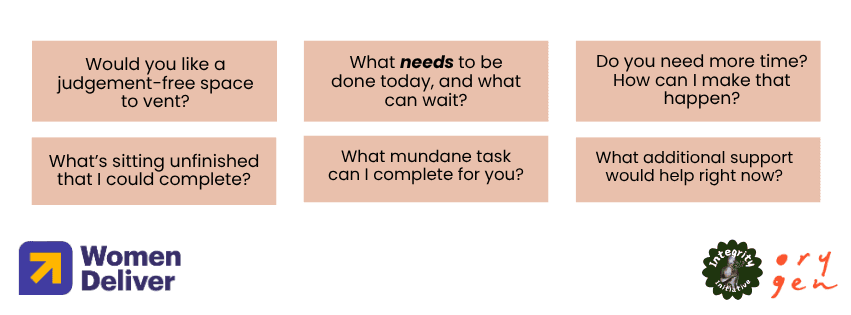
These questions acknowledge reality. They reduce pressure. They build capacity.
This is where the concept of dignity of risk becomes essential… something I have seen framed as the antidote to duty of care, but I argue is more accurately a complement to it.
Often discussed in disability and aged care contexts, it recognises a person’s right to make choices, including imperfect ones, in pursuit of autonomy, growth, and quality of life. In advocacy, this means accepting that sometimes we will overextend, make mistakes, or need to recalibrate. That is not recklessness. It is part of the process. Dignity of risk is not about removing responsibility. It is about removing shame from growth.
Because meaningful change rarely comes from comfort.
Finding balance in advocacy is not about eliminating burnout entirely (impossible if you ask me). It is about grounding ourselves in our values. Our boundaries reflect what matters to us, and our values shape how we act. When those values are clear and aligned, we are better able to sustain the work over time.
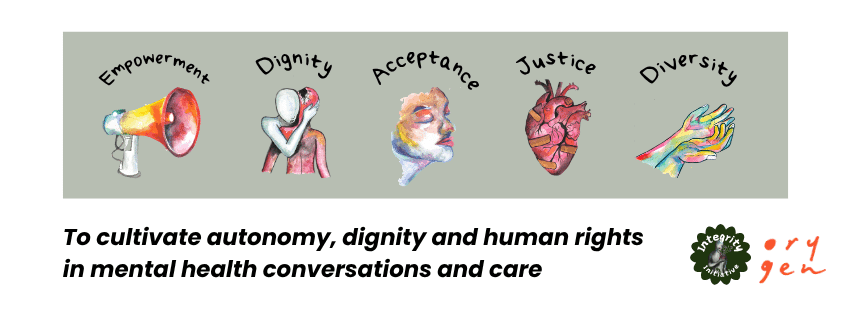
For me, those values are empowerment, dignity, acceptance, justice, and diversity. They underpin everything I do through Integrity Initiative. They do not remove challenge, but they provide direction when things become difficult.
And to that point, we must remember that advocacy is not just strategy or policy. It is human. It is relational. It is ongoing.
Burnout may be part of the work. But so is growth, connection, and the continual process of learning how to do this work in a way that is more sustainable, more honest, and more human. The humanity, the messiness, to take on too much, to lose sight of the goal… it’s a reminder that we are human. And in humanity exists power, passion and emotion.
Join the Ingetrity Army
Be apart of our growing team

